
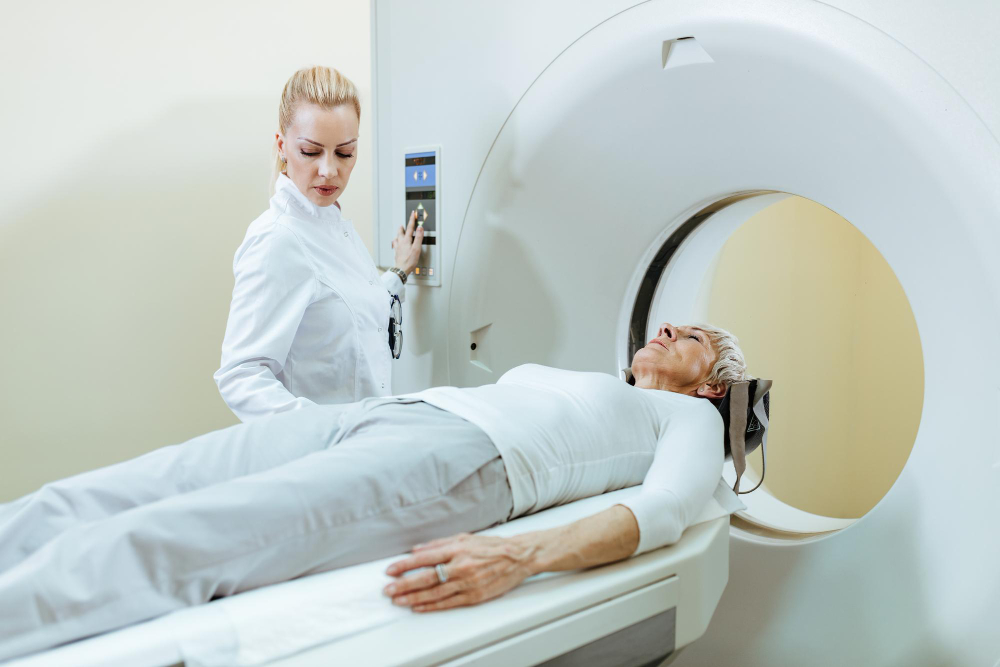
MR Venography is a special imaging test that uses magnetic resonance (MR) technology to look at veins in your body. This non-invasive vein scan helps doctors find problems like blood clots or blockages. MR Venography, also called magnetic resonance venography, is safe and does not use harmful radiation. If your doctor suggests this test, you may wonder what it involves. In this blog, we will explain MR Venography, how it works, and what you can expect during the process.
What is MR Venography?
MR Venography is a medical test that creates detailed pictures of your veins using strong magnets and radio waves. Unlike regular X-rays, it does not use radiation. Instead, it uses magnetic fields to show blood flow in your veins. Doctors often use MR Venography to check for blood clots, blockages, or other vein problems. This test is helpful for diagnosing conditions in the brain, legs, or other parts of the body where veins may be affected.
Why is MR Venography Performed?
Doctors recommend MR Venography for several reasons. Often, it helps find the cause of certain symptoms or checks for specific vein conditions. Common reasons for this test include:
If you have symptoms like swelling, pain, or sudden changes in vision, your doctor may suggest MR Venography to find the cause.
How Does MR Venography Work?
MR Venography uses a large machine called an MRI scanner. This scanner creates a strong magnetic field around your body. It also uses radio waves to make detailed images of your veins. Sometimes, a special dye called contrast is injected into your vein to make the pictures clearer. Here is how the process usually goes:
Because the scanner is loud, you may get earplugs or headphones. The technologist will talk to you during the test and make sure you are comfortable.
What to Expect During the Procedure
Before the test, you will get instructions from the medical team. They may ask about allergies or metal implants. During the scan, you will lie on a table that moves into the MRI machine. You need to stay still so the images are clear. If contrast dye is used, you might feel a cool sensation in your arm. The machine makes loud noises, but this is normal. Most people do not feel pain during MR Venography. After the test, you can usually go home right away. There is no recovery time needed, and you can return to normal activities unless your doctor says otherwise.
Risks and Benefits of MR Venography
MR Venography is generally very safe. It does not use radiation, which makes it safer than some other imaging tests. The main benefits include:
However, there are some risks to consider. Rarely, people may have an allergic reaction to the contrast dye. If you have kidney problems, tell your doctor before the test. Some people feel anxious in the MRI machine because it is small and noisy. If you have metal implants, pacemakers, or certain medical devices, MR Venography may not be safe for you. Always discuss your medical history with your doctor before the test. According to the CDC and other health authorities, MR Venography is considered safe for most people.
How to Prepare for MR Venography
Proper preparation helps the test go smoothly. Here are some tips to get ready:
By preparing ahead, you can help ensure a safe and easy experience.
Frequently Asked Questions
Is MR Venography painful?
No, MR Venography is not painful. You may feel a slight pinch if you get a contrast injection, but the scan itself does not hurt.
How long does MR Venography take?
The test usually takes between 30 and 60 minutes. Sometimes, it may be shorter or longer depending on the area being scanned.
Can I eat or drink before the test?
Most people can eat and drink as usual before MR Venography. However, your doctor may give you special instructions if contrast dye will be used.
Is MR Venography safe for children?
Yes, MR Venography is generally safe for children. It does not use radiation. The doctor will decide if it is the best test for your child’s needs.
Conclusion and Next Steps
MR Venography is a safe, non-invasive way to look at veins and find problems like blood clots or blockages. It uses magnetic fields instead of radiation and gives clear images to help doctors make the right diagnosis. If your doctor suggests MR Venography, you now know what to expect and how to prepare. For personalized advice or if you have more questions, consult a radiologist or your healthcare provider about MR Venography.